
Introduction
Timing SEO Results is one of the most common questions among website owners. SEO is a long term strategy, and the time it takes to see results depends on website authority, competition, content quality, and technical optimization.
1. Timing SEO Results: The SEO Process
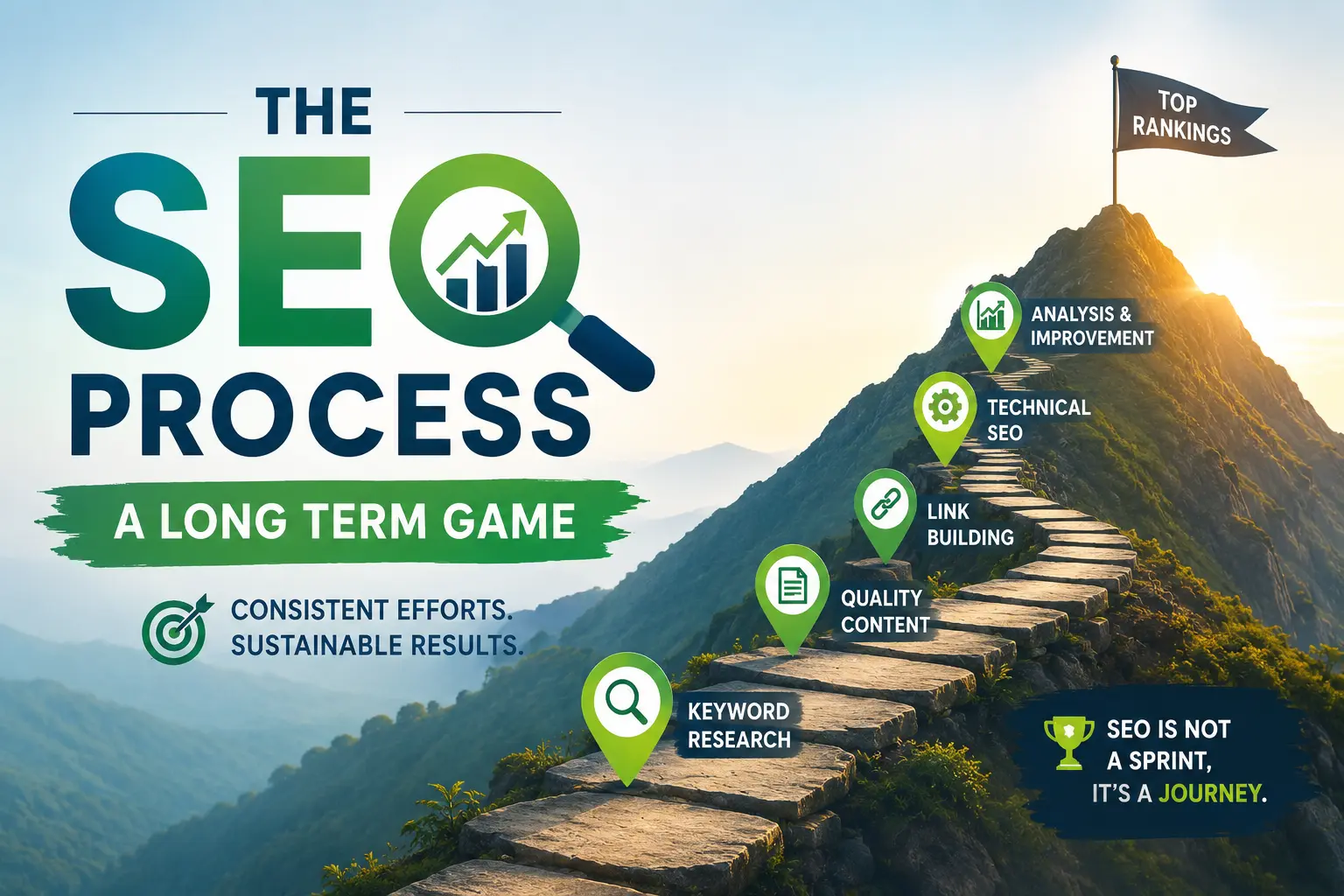
SEO is not a quick fix. Unlike paid ads where results are almost instant, SEO requires time, effort, and consistency. The process involves several key components:
- On-Page Optimization: This includes keyword research, optimizing page titles, meta descriptions, header tags, and ensuring your content is user-friendly.
- Technical SEO: Optimizing the backend of your website, including site speed, mobile-friendliness, and creating a clean URL structure.
- Content Creation: Regularly publishing fresh, high-quality content that meets user intent.
- Link Building: Acquiring high-quality backlinks from authoritative websites.
While you might start seeing some minor improvements within a few weeks, the full effects of your SEO efforts can take months to become noticeable.
2. Factors That Influence SEO Results Timing
Several factors determine how quickly SEO can show results:
- Website Age and Authority: New websites typically take longer to see SEO results because they have to build trust with search engines. Established sites with a history of quality content and backlinks will usually see results faster.
- Industry Competition: In highly competitive industries, like e-commerce or finance, ranking for keywords can take longer due to the sheer number of competitors vying for top spots. In less competitive niches, you might see quicker results.
- Quality of SEO Efforts: Simply put, effective SEO takes time. If you’re implementing a comprehensive strategy with quality content, technical SEO improvements, and strong backlinks, you will likely see results more quickly.
- Search Engine Algorithm Updates: Google’s frequent algorithm changes can impact rankings. Sometimes, even well-optimized pages may experience fluctuations before reaching steady results.
- Search Intent and Keyword Difficulty: Some keywords are easier to rank for, while others are highly competitive. Long-tail keywords (specific phrases) often yield faster results compared to highly competitive, broad keywords.
3. Timing SEO Results: What Can You Expect?
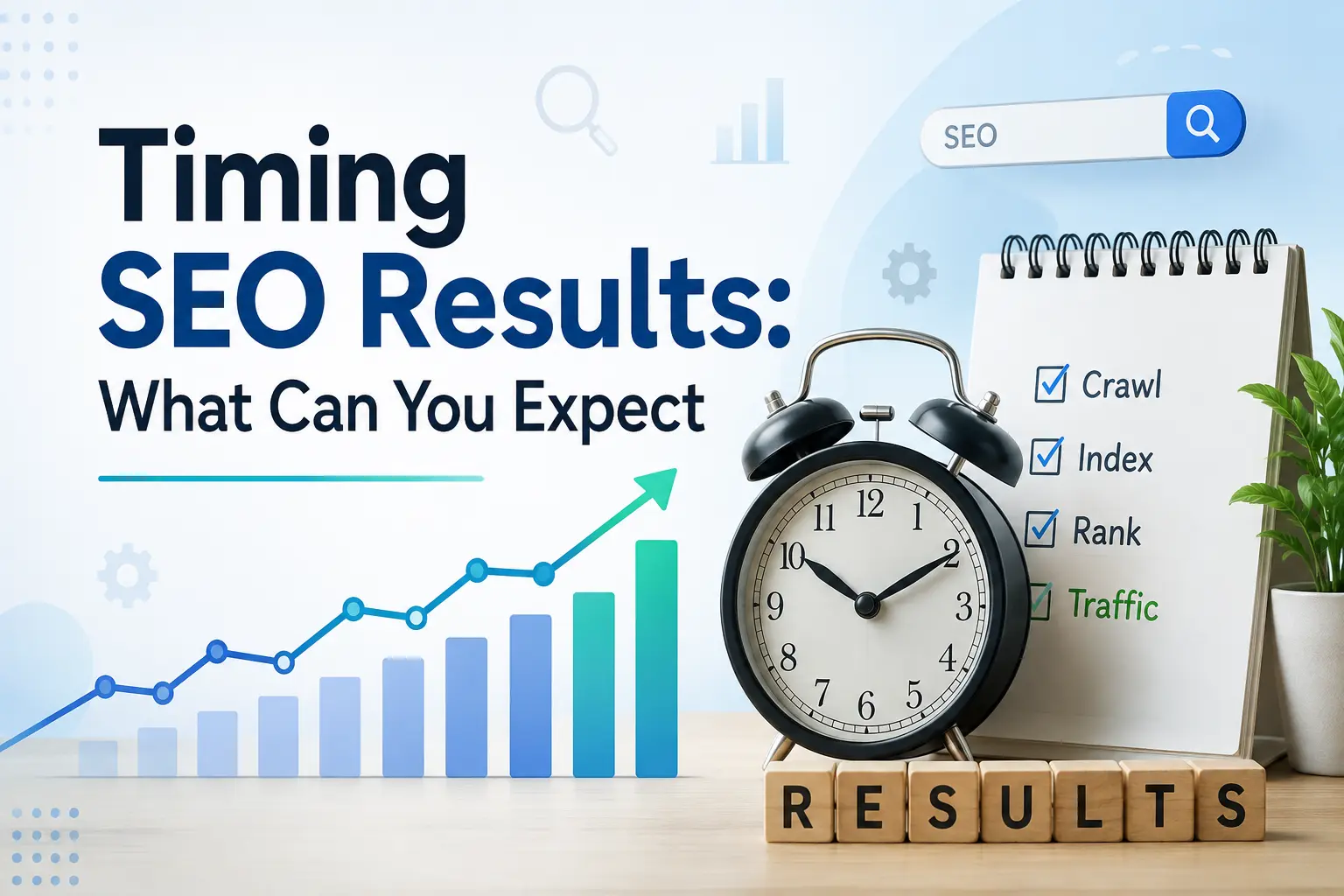
Here’s a general timeline of what to expect:
- Weeks 1-3:
During the first few weeks, your site may undergo technical fixes, such as improving page speed, adding SSL certificates, or optimizing mobile responsiveness. While you won’t see rankings improve right away, this is crucial groundwork for future SEO success. - 1-3 Months:
At this stage, you may start seeing some improvements in your rankings for low-competition keywords. Google starts recognizing the changes you’ve made, and you may notice incremental traffic growth, especially for long-tail keywords or localized searches. - 3-6 Months:
This is where things start to get more exciting. At this point, if you’ve been consistently optimizing your website, creating content, and building backlinks, you may begin to see more significant changes in your rankings. Your website might start appearing in the top 10 search results for mid-competition keywords. - 6-12 Months:
For more competitive keywords, it could take 6 to 12 months to see noticeable improvements in rankings. At this stage, if your strategy is on track, you’ll see a steady increase in organic traffic and higher keyword rankings. - 1 Year+:
If you’ve been consistently applying an effective SEO strategy, a year or more down the road can result in a substantial increase in organic traffic. At this stage, you can expect more authority, credibility, and significant traffic increases.
4. Why Timing SEO Results Require Patience
SEO is a marathon, not a sprint. While you may be eager to see immediate results, it’s important to understand that the real power of SEO lies in its long-term sustainability. Unlike paid ads, where you pay for each click, the results of SEO can continue to drive traffic over time with little additional cost.
The key to success is to stay consistent, create valuable content, improve your website’s user experience, and keep building authoritative backlinks.
5. Why You Shouldn’t Rush SEO
While it’s tempting to rush through your SEO efforts to see immediate results, doing so can often harm your website in the long run. Here’s why:
- Short-Term Fixes Don’t Work: Quick tactics like keyword stuffing, buying backlinks, or using black-hat SEO practices can result in penalties from Google, which could take a long time to recover from.
- Sustainable Growth: Focusing on creating quality content and a positive user experience will benefit you in the long run. SEO is about building trust with both your audience and search engines. Quick fixes rarely build that trust.
6. Tracking Your Progress
Even though SEO takes time, you can still track your progress and see how your efforts are paying off over time. Use tools like Google Analytics and Google Search Console to monitor your website’s performance, keyword rankings, and organic traffic.
- Keyword Rankings: Regularly check your keyword rankings to see where your pages stand.
- Organic Traffic: Monitor changes in traffic over time to see if your SEO efforts are driving more visitors.
- Bounce Rate & Engagement: A drop in bounce rate and increased user engagement indicates that visitors are finding your content valuable.
Conclusion
While SEO takes time, it’s one of the most rewarding digital marketing strategies you can invest in. Whether you’re just starting or you’ve been working on SEO for a while, patience and consistency are key. By applying proven SEO strategies and sticking with them, you’ll gradually see higher rankings, increased traffic, and improved ROI.